
Concrete pumping

Every pour.One record.

Ribbiot runs the pour on one record, from the quote to the invoice: the pump and the boom, the hose and the pipeline, the operator and the crew, the window the customer set, the ticket and the yardage, so the office, the yard, and the field run on the same truth.

Walk one job

Bring one job to a 60-minute discovery call. We walk it with you from the quote to the invoice and show what one record changes at each handoff.

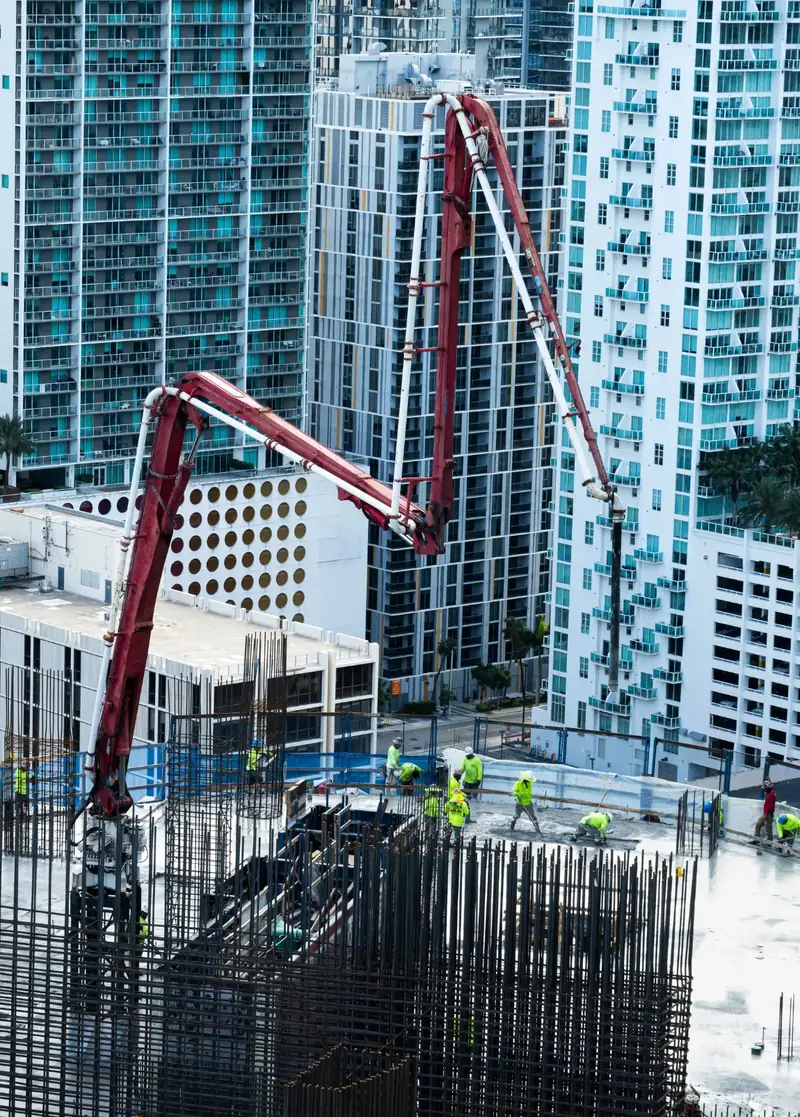
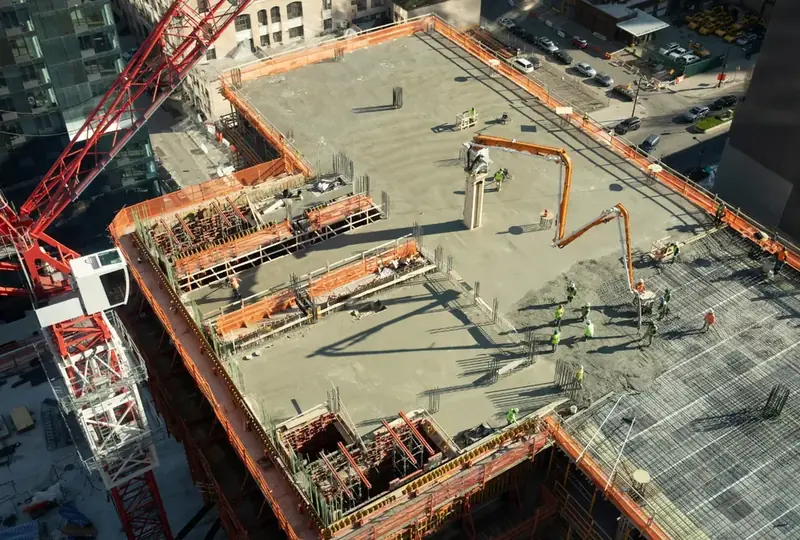
A concrete pump's boom arched over a deck high among towers while the crew places and finishes the pourA worker steadying a pump's end hose as concrete pours onto a slab beside reinforcing steelA placing boom and its crew pouring a deck high on a building, seen from above
Concrete pumping: the pump, the boom, the crew, and the pour on one record, from the quote to the invoice
Built for the realities of the field
The daily reality

The trucks are ordered for seven. The pump is on the wrong site.

Every pour is set up fresh. The pour sets the pump and the boom: the reach, the setup space, the outrigger pads, the hose and the pipeline for the placing crew, and the priming before the first truck. The customer sets the window and orders the truck spacing from the plant, and the finishers set the pace. When the board is a whiteboard, a spreadsheet, and a phone, the office finds out about the conflict when the customer calls, and about the late trucks when the operator gets home.

01

Dispatch conflicts

Two pours ask for the same boom pump in the same morning window, the line pump that could cover one is on a site across town, and nobody sees it until the first truck is on the road.

A pour window missed with the finishing crew already on site.

02

Idle crews

The pump rolls before the site is ready, the washout area is not where the site said it would be, or the ready-mix trucks arrive too far apart and the hopper runs dry between them.

Standby nobody bills, on a pour that finishes after dark.

03

Missing field truth

The ticket, the yardage, the washout, and the hose and pipe used come back on paper days later, with the standby written in the margin, and the office rebuilds the pour from texts and memory.

An invoice that waits a week on a ticket in a truck and goes out without the standby.

From the quote to the field to the invoice

Readiness before the pour. Visibility while it runs. Clarity when it closes.

The quote, the pump and crew schedule, the work order on the operator's phone, the signed ticket with the yardage and the standby on it, and the invoice are one record. Dispatch sees the pour the way the operator sees it, while the trucks are still coming, and the accounting system gets the result.

Included in the platform
ArsenalArsenal

Which pump is ready and which pipe passed

Every boom pump, line pump, and placing boom has its own record in Arsenal, and so does every length of hose, pipe, and clamp, owned or rented, tracked or not. The boom inspections and the pipe wall checks live on it, so dispatch schedules a pump it knows is ready.

RosterRoster

Operators and helpers, by the pour

Roster carries every operator and helper with a role and their availability by the day, so the pours are staffed from the record a day ahead and the dispatcher knows who is open for a six o'clock start before a customer asks for one. The operator certification a pour requires rides with the job as a document.

IntelIntel

Ribbiot fills in the first draft

Intel, Ribbiot's AI, works from the whole record of every pour, so what one stage learns the next already knows. The accepted quote becomes the plan automatically, and Intel adds planned resources for the crew and equipment each pour requires. Sales or project management confirms them before the job goes to dispatch. Intel proposes and a person confirms.

The modules
Pursuit

Every pour priced from the same book

Every pour is priced from the same book in Pursuit: the boom size or the line pump, the hose and the pipeline, the minimum hours, the yardage, and the standby terms. Dispatch sees what was promised while the pour is still a quote, and the accepted quote becomes the plan with no retyping.

Command

One board for pumps, booms, and crews

Command builds the schedule from the boom pumps, line pumps, placing booms, and operators that are free, across every branch and every pour window, so a double-booking shows at planning instead of on the morning of the pour. A pour that moves an hour moves on the board and on the crew's phone.

Capture

Tickets and pour logs from the site

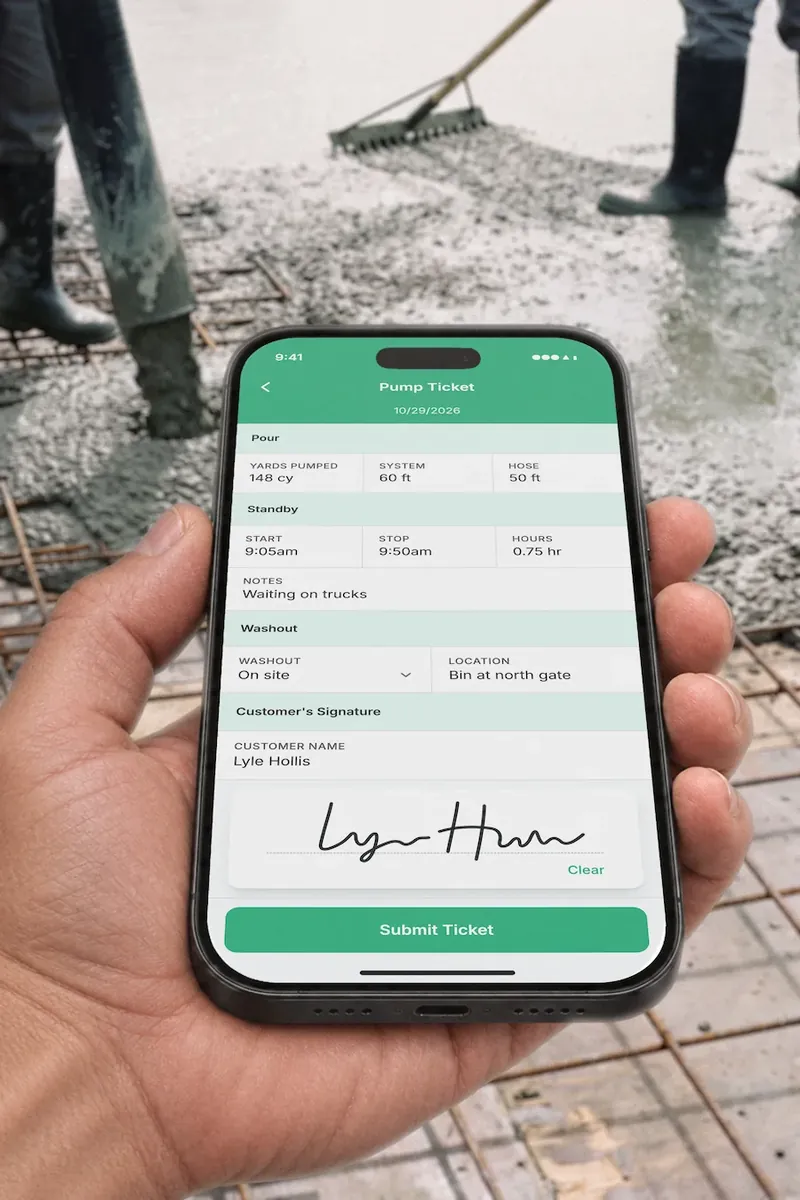
Capture puts the ticket, the readiness check, the pour log with the yardage, the standby, and the washout, and the customer's signature on the operator's phone, submitted from the site against the work order in the forms crews already know. The office sees them the day of the pour.

Secure

Billing from the signed ticket

Secure turns the approved hours and the signed ticket into payroll-ready and invoice-ready records for the accounting and payroll systems you already use. The yardage, the standby, and the hose and pipe used go on the invoice because the operator captured them at the pour.

Track

Where the pumps and the pipe are

Track puts live location and tap-to-access documents on the placing booms, the pipe racks, and the hose trailers that telematics never covered, and the telematics the pump trucks already carry feed the same record. No hardware is required to be a customer.

The platform

One platform. The whole job.

Start on the workflow that hurts most and add the next when the office and the field trust what they see.

Explore the platform ↗
See the difference

The same week, in the fog and on one record.

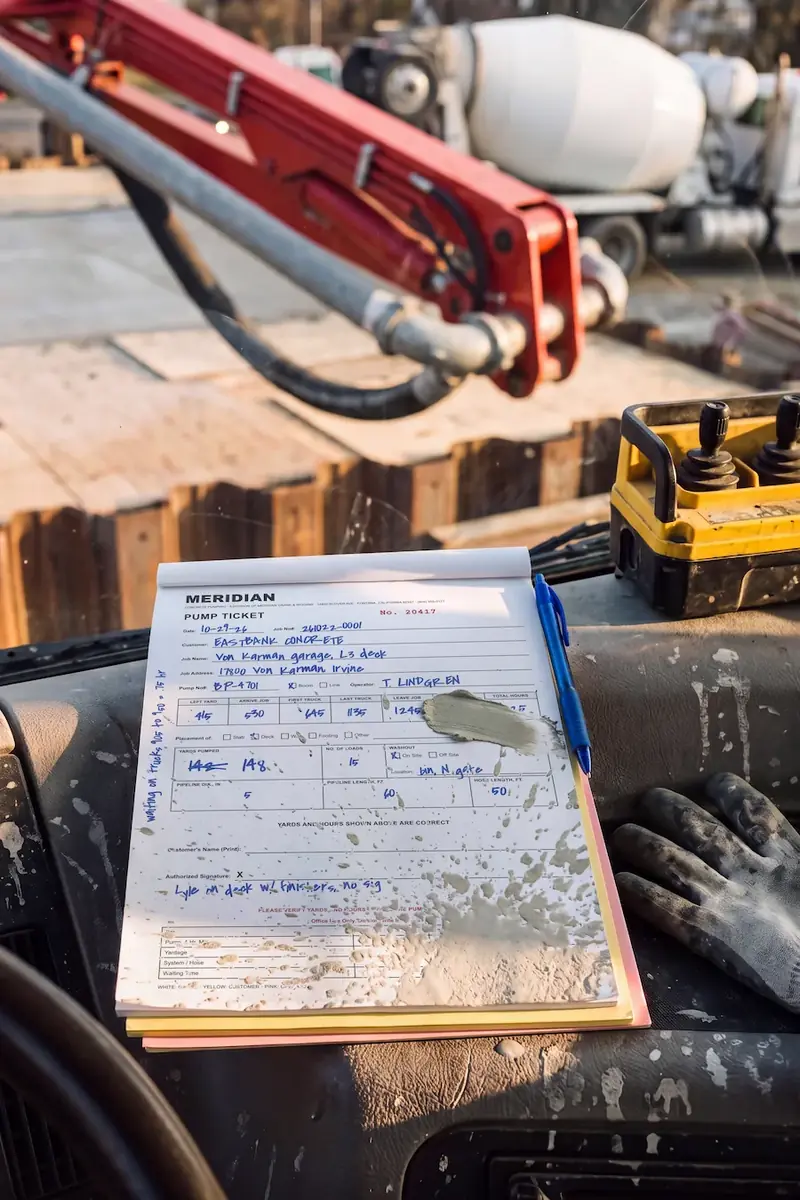
A staged picture: a paper pump ticket on the dash of a concrete pump truck, spattered with dried concrete, the yards written over, the standby in the margin, no signature, the boom beyond the glass.
Without Ribbiot

In the fog.

  • Two pours are promised the same boom pump.
  • A pump rolls before the site is ready.
  • The trucks run late, the hopper runs dry, and the standby is never billed.
  • The ticket and the yardage stay on paper for a week.
  • Boom inspections are found expired the morning of the pour.
  • Hose and pipe are charged to no job.
  • The office hears about the pour days later.
  • Margin per pour is known a month after the last truck leaves.
A composite picture: a hand holds a phone showing a signed pump ticket in the Ribbiot mobile app, above a deck where concrete pours from a pump's end hose and a crew rakes it level. Example data.
With Ribbiot

On one record.

  • The board commits only the pumps and operators that are free.
  • The crew rolls when the site is ready, with the setup notes on the phone.
  • Standby is on the ticket the day it happens, so it gets billed.
  • The ticket, the yardage, and the signature are on the record the same day.
  • Every boom's inspections are on its record before it is scheduled.
  • Hose and pipe are charged to the job that used them.
  • The office sees the pour while it runs.
  • Margin per pour shows while the decisions that set it are still in reach.
Also built forDrilling and boring

Remove the Fog of Operations

Bring one job.Get a clearer operating picture, from readiness to revenue.

Walk one job